
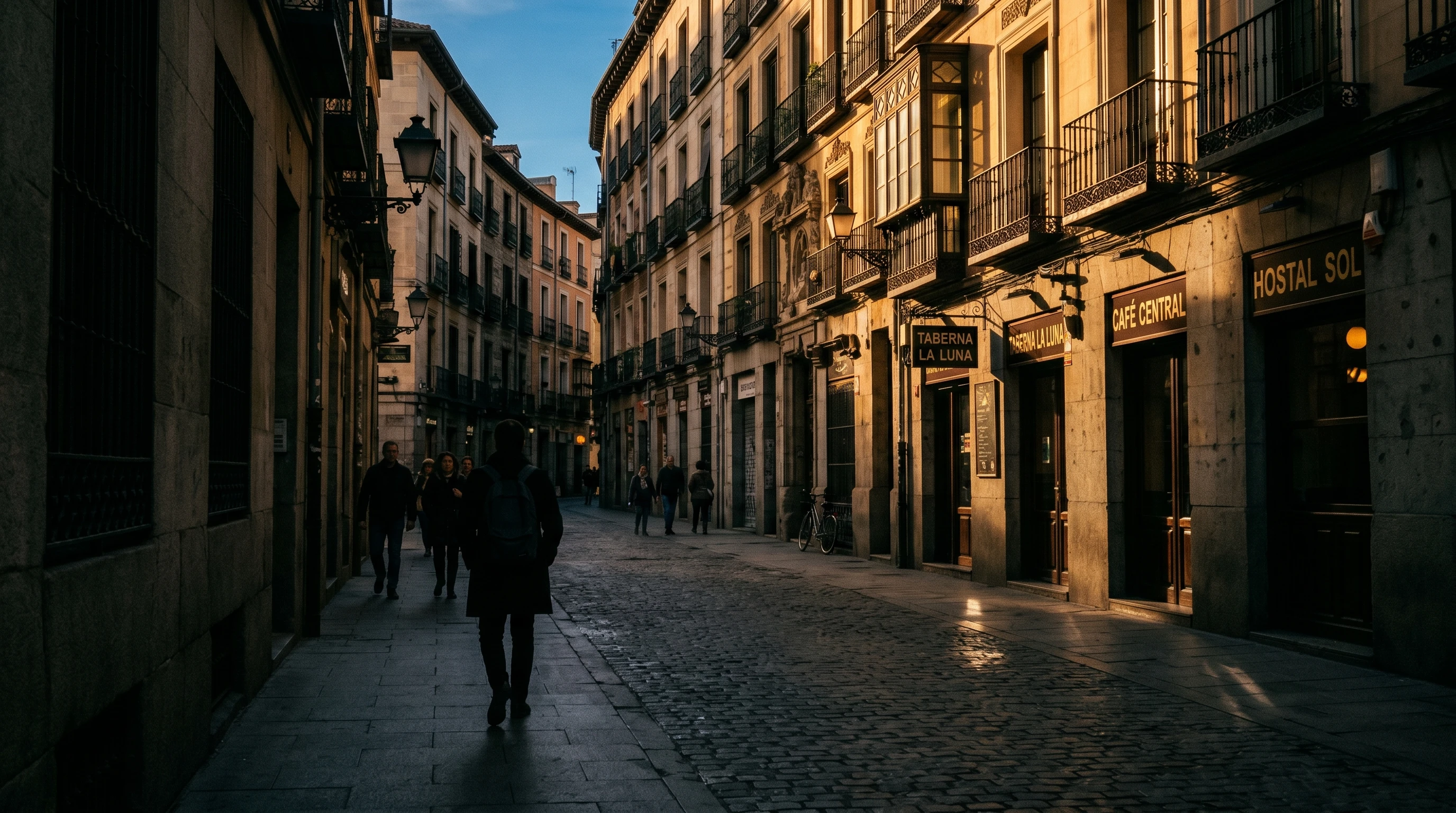
 Light and shade are two of the most powerful tools in a street photographer’s kit. The way sunlight spills between skyscrapers, the drama of silhouettes, or even the subtle shifts in mid-morning brightness, all play a huge part in turning an everyday scene into an eye-catching photo. Still, figuring out how to use this duo well doesn’t always come naturally.
Many people, myself included when I first started, focus only on catching the action or interesting people. But as I’ve learned, paying close attention to the way light and shadows play across a scene is what brings real personality and depth to street photography. When you start having fun with light and shade, your photos can stand out even in crowded urban settings.
If you’re ready to upgrade from plain snapshots and get into what makes a street shot feel alive, understanding how to see, and use, light and shade is really important. I’m sharing what’s worked for me, some tips to spot light like a pro, and ways you can start experimenting, even if you’re new to street shooting. These techniques can give your photos a boost, and bring a next-level cool vibe to your portfolio.
The Basics: Why Light and Shade Matter
Every photograph depends on light. In street photography, the quality, angle, and intensity of available light change constantly. This is what keeps it fun, and sometimes challenging. Shadows can create shape, texture, and mystery. Bright light can add focus and make your subject pop. Using both together is one of the easiest ways to turn a plain moment into something eye-catching.
Types of Light You’ll See Outdoors
- Harsh midday sun. This creates sharp shadows and high contrast. You’ll get dramatic silhouettes and bold patterns.
- Golden hour. That softer morning or evening light gives long shadows and a gentle glow, which is great for atmosphere.
- Overcast days. Shadows almost disappear, but you get smoother tones and less distraction from harsh light. This can make details pop in a gentle way.
How Shade Creates Impact
- Directs attention. Dark areas guide the viewer’s eyes to where you want the focus.
- Adds mood. Shadows can turn a simple photo into something moody or mysterious.
- Shows geometry. Lines and shapes are highlighted, adding storytelling or drama, especially in urban environments.
How to See Light Differently
I used to wander around without really noticing how the light hit different corners of the city. Once I started paying attention, I noticed how even a plain wall could look dynamic just because of the angle of the sun or the shape of window shadows. Noticing these details is one of the first steps in becoming a better street photographer.
Tips for Training Your Eye:
- Pause and look. Before snapping, check how light falls across people, objects, and the ground.
- Move around. Step to different spots or change your angle to see how lighting changes the mood.
- Notice reflections. Store windows, puddles, car bumpers; reflected light can create cool effects or highlight your subject.
It helps to walk the same area at different times of the day. I’ve found places I thought were boring at noon can turn magical at sunset or just after rain. If you keep an eye out for these shifts, you’ll start to spot next-level cool scenes everywhere. Even familiar places can feel brand new.
Simple Techniques for Using Light and Shade
High Contrast for Bold Photos
Some of my favorite street shots come from scenes with really strong differences between light and dark. Position your subject right on the edge between bright sunlight and deep shadow. This makes people or objects stand out and keeps the image feeling lively.
- Backlighting. Shooting toward the light source can create dramatic outlines. Sometimes, flare or glowing edges appear, which often adds style.
- Spot metering. On cameras or phones, set your exposure based on the brightest or darkest part of the scene to control how much detail you keep.
Another thing to try is shooting in alleys where light peeks in from between buildings, carving out striking shapes. If you’re patient, you may stumble upon unique patterns as sunlight changes position. Keep your camera ready for unexpected moments. Sometimes, the most eye-catching light appears when you least expect it.
Soft Light for Subtle Stories
Overcast skies or shaded alleyways soften contrast, letting you catch more detail in faces and backgrounds. This is a nice way to get candid shots without harsh edges. People’s features come out more gently, lending an authentic mood to the cityscape.
Working with Shadows as Your Subject
Shadows themselves can be just as interesting as the people who cast them. I love finding strong shadow patterns on sidewalks, stairs, or buildings, especially if you add a hint of a person nearby. This creates a sense of place and adds layers to the photo without actually showing everything. Sometimes, long shadows stretch far from their source, hinting at action or time of day. Such details often bring extra storytelling power to your shots.
Camera Settings and Gear Tips
You don’t need fancy equipment to play with light and shade. Most of my favorite lightandshadow shots came from a basic mirrorless camera or even a smartphone. But a few settings and tricks do make it easy to handle tricky lighting outdoors.
Helpful Camera Tips:
- Shoot RAW. If your camera or phone allows it, using RAW files gives you extra flexibility to fix blown highlights or deep shadows later.
- Adjust exposure compensation. If your scene is super bright or very dark, nudge the exposure up or down to make sure you keep the details you want.
- Use the histogram. Quickly check if you’re losing too much detail in the brightest or darkest spots.
- Try different focal lengths. A wide lens helps capture all the shifting light, while a longer lens lets you isolate a single bright face in an expanse of shade. Phones also allow digital zoom—get creative even with simple gear.
Don’t forget, sometimes the best camera is the one you have with you. Just experiment with different angles, exposures, and focus. Make the most of whatever tools are at hand, and you’ll be surprised by your results.
Composing with Light and Shadow
Where you place light and shade in your frame changes the story your photo tells. I like to use leading lines created by shadow edges, doorways, or even cracked pavement to pull the eye into the scene. Sometimes, I’ll wait for someone to walk right into a shaft of light for maximum effect.
Easy Composition Tricks:
- Frame subjects in light. Wait for someone to pass through a sunlit area surrounded by shadow. This instantly draws attention.
- Look for balance. Split your frame between light and dark, or use an offcenter subject to create tension.
- Tell a story. Use a shadow as part of the narrative: maybe a silhouette hints at identity, or a long shadow stretches out of the frame, suggesting movement. Let the play of light set the scene for the whole shot.
Also, if you want to step up your compositions, experiment with placing bright spots to match areas of visual interest. Don’t be afraid to try playful approaches, like lining up heads with shadow lines or framing a figure with sunlit shapes.
Common Questions & Practical Fixes
My photos always look too dark or too bright. What’s the fix?
- Check your exposure compensation dial and adjust up or down as needed.
- If you’re losing detail, try spot metering and expose for the area that matters most.
- Shooting RAW saves more info for editing—recover blown highlights or deep shadows in post-processing.
I can’t find good shadows on cloudy days. What do I do?
Look for subtle changes in tone and small reflected lights. Overcast light is fantastic for portraits and small details. No harsh lines, so focus on expressions, colors, or textures instead. Sometimes, damp pavement or glass creates soft reflections you can play with for extra flair.
People’s faces turn into silhouettes. Is this bad?
Not always; a strong silhouette can be powerful, especially if you’re telling a story with gesture or pose. If you want more facial detail, adjust your angle to catch some bounce light from a nearby wall or shop window. Move around a bit, and see how the shifted lighting can set your intended mood.
Action Steps for Better Light and Shade Photos
Try these the next time you head out:
- Pick a familiar spot and visit at three different times: morning, noon, and sunset. Notice how light and shadow behave throughout the day.
- Shoot one set of photos where the main focus is a patch of bright light. Try again with a scene centered around a shadow instead. This helps you learn how both can drive your composition.
- Experiment with your phone’s exposure slider as you go, and review how those changes affect mood and impact. Don’t be afraid to take plenty of shots; compare and pick the ones that let the light do the talking.
Light and shade make street photography fun and unpredictable. The more you practice spotting great light, and cool shadows, the more your photos will capture the real feeling of city life. Practice often, challenge yourself to find unique lighting, and soon enough, those next-level cool photos will show up in your collection. If you’ve got a favorite image where light or shadow did most of the work, share your story—let’s inspire each other as we all grow in street photography!